Write notes that survive an inspection
Summary
When you decide an alert is nothing, the note you write is the only thing that survives. This lesson is how to write it.
About 3 minutes · 5 steps. Also called: case notes, documentation, examination, audit trail.
Sign in with your email to read the rest of this article, track what you have finished, and earn your certificate.
Sign inPrerequisites
- A role that reviews alerts or cases, in Wakandi AML Risk Monitoring or on paper.
- Records, retention and being ready for an inspection — notes are the fourth record family described there.
Step-by-step
Treat the note as the record. Your memory does not survive, and a conversation with a colleague does not survive. To anyone reading the file later, a careful review with no note looks the same as no review at all.
Write it in the same sitting and sign-in as the decision, before you close the case. Coming back later almost never happens.
Answer three questions: what did you see, what did you check, and what made you comfortable. Two honest sentences beat a page of copied text.
Weak: Reviewed, no issue.
Strong: Member is a produce trader. A deposit of this size matches her harvest pattern for the last two years. Checked recorded occupation and prior deposits. No further action.
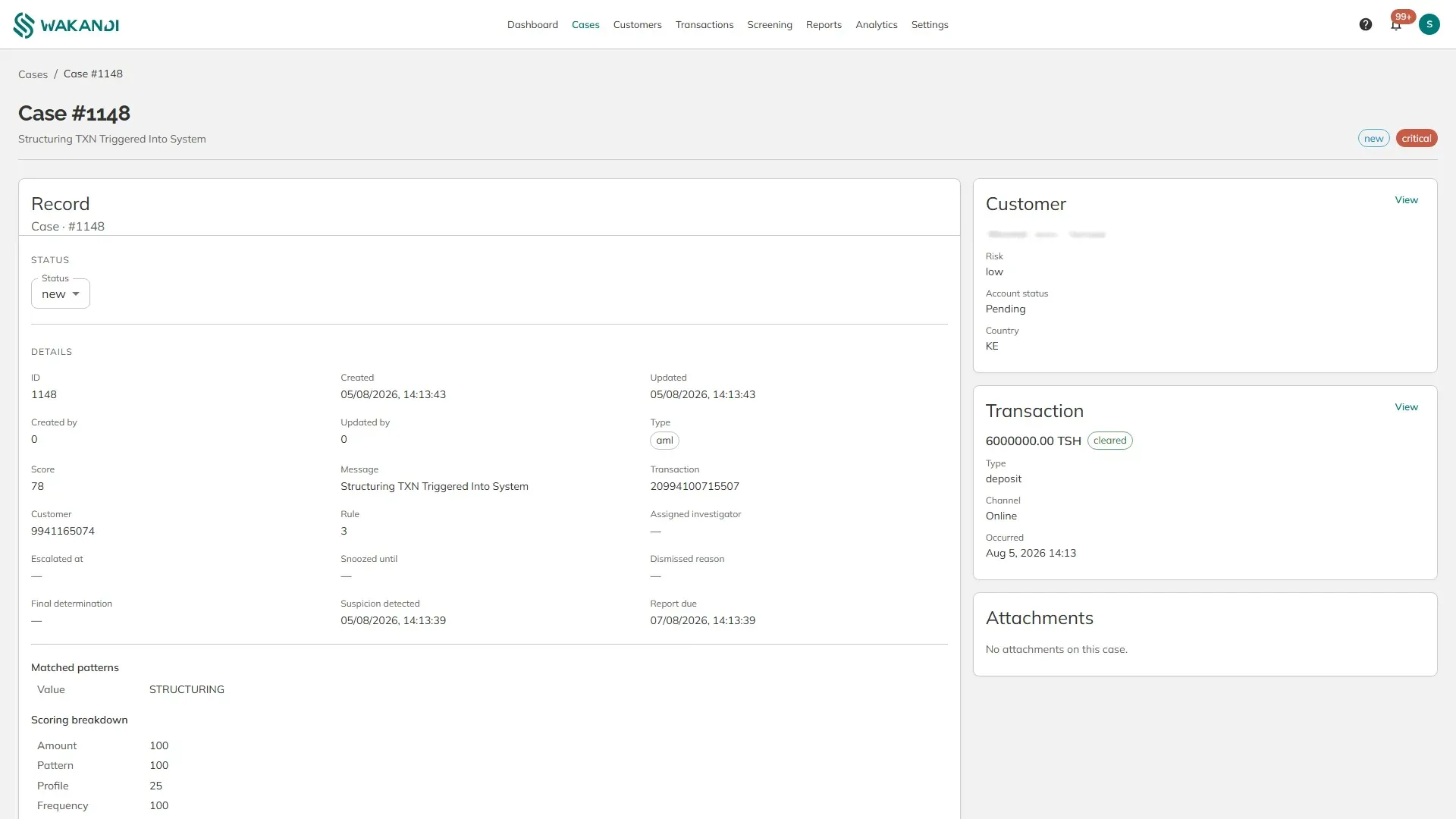
Figure 1: A case record, where the note box under Notes & history holds the reasoning Record escalations and approvals the same way: why you escalated, who approved, and when. Who set a threshold, and who signed off a rule change, belongs in writing too.
Expect an inspector to test a sample, not everything. They pick a handful of members and cases and follow each from start to finish. Three plain asks: how you identified this member, why this activity was not suspicious, and who approved your thresholds.
Warning: Never edit or delete an old note to make it read better. Add a dated new one — a correction shows an honest second look; a rewrite leaves no trace of what happened.
Common pitfalls & FAQ
- "The system already logs everything." It logs what you clicked and when. It cannot log why you were satisfied.
- "Only suspicious cases need a written reason." Dismissals need reasons at least as much, because a dismissal is a decision to do nothing. This one catches almost everybody at first.
- "I will remember if anyone asks." An inspection can open a case from years ago, worked by an officer who has left. Assume the note is all that remains.